
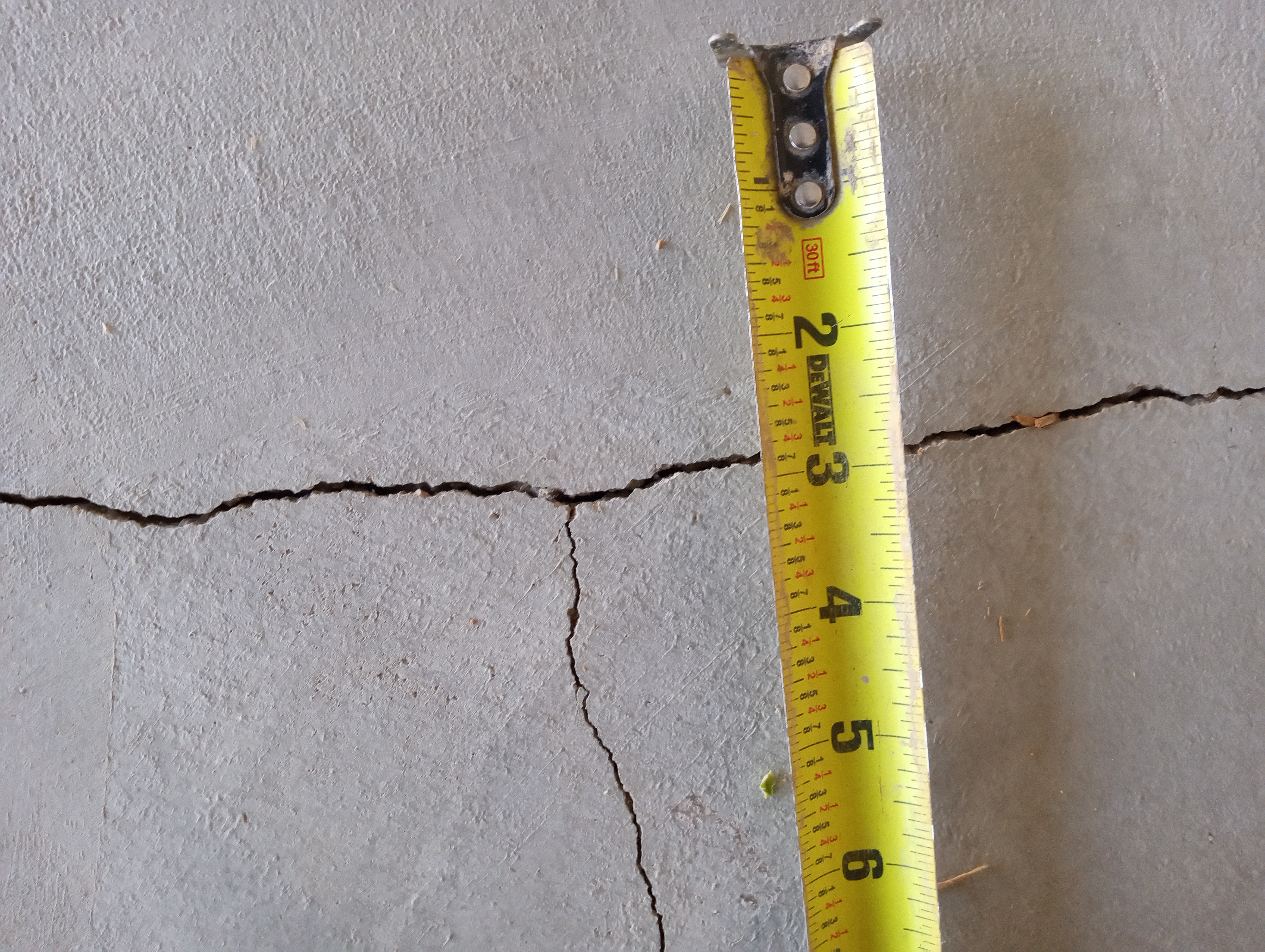
If you’ve noticed driveway cracking in Denver after winter, you’re not alone. Homeowners across Denver deal with concrete damage every year as temperatures swing above and below freezing.
The culprit? Freeze-thaw cycles.
Understanding how winter concrete damage happens — and how to prevent it — can save you thousands in repairs and replacements.
What Is Freeze-Thaw Concrete Damage in Colorado?
Here in Colorado, winter temperatures often fluctuate dramatically within a single day. Moisture seeps into small pores and hairline cracks in your concrete. When temperatures drop below freezing, that trapped water expands.
Water expands nearly 9% when it freezes.
That expansion creates internal pressure inside the slab. Over time, repeated freezing and thawing weakens the concrete from within — leading to:
- Surface flaking (spalling)
- Widening cracks
- Pitting and scaling
- Uneven slabs
- Full structural failure
This is what’s known as freeze thaw concrete damage in Colorado — and it’s especially common along the Front Range.
Why Driveway Cracking in Denver Is So Common
Concrete driveways in Denver take a beating in winter because they’re exposed to:
- Snow accumulation
- De-icing salts
- Shoveling and plowing
- Direct temperature swings
- Intense UV exposure at high elevation
De-icing chemicals make the problem worse. They allow water to penetrate deeper into the slab and increase freeze-thaw stress.
Combine that with Colorado’s expansive soils, and your concrete is under constant movement and pressure.
That’s why concrete crack repair in Denver is one of the most common service calls each spring.
Signs Your Concrete Has Winter Damage
Not sure if your cracks are serious? Watch for:
- Cracks wider than 1/8 inch
- Multiple cracks forming in a pattern
- Chipping or surface flaking
- Sections that feel uneven or sunken
- Water pooling in low spots
Small cracks can quickly turn into major structural issues if ignored.
How to Prevent Freeze-Thaw Damage
While no concrete is completely immune to Colorado weather, professional installation makes a major difference.
Proper prevention includes:
- Air-entrained concrete mixes designed for freeze resistance
- Correct subgrade preparation
- Proper drainage slope
- Control joints placed strategically
- Professional sealing
Quality workmanship is the difference between a driveway that lasts 30 years and one that fails in 10.
When to Call for Concrete Crack Repair in Denver
If cracks are growing, spreading, or allowing water intrusion, it’s time to act. Early repairs are significantly less expensive than full slab replacement.
At Gold’s Concrete, we evaluate:
- Depth and severity of cracking
- Soil conditions
- Drainage issues
- Long-term structural integrity
We don’t just patch cracks — we solve the underlying cause.
Built for Colorado Winters. Built to Last.
Freeze thaw concrete damage in Colorado is tough on driveways — but premature failure is preventable with proper installation.
If your driveway cracking in Denver is getting worse each season, it may be time to stop patching and start rebuilding.
Gold’s Concrete specializes in full concrete replacements engineered for durability, strength, and long-term performance.
Gold’s Concrete — a name you can trust.
Ready to replace your concrete the right way? Give us a call today.
Leave a Reply